
Homeowners Insurance
How Much Dwelling Coverage Do I Need for My Texas Home?
Ryan Aduddell · October 15, 2026 · 6 min read · #1015
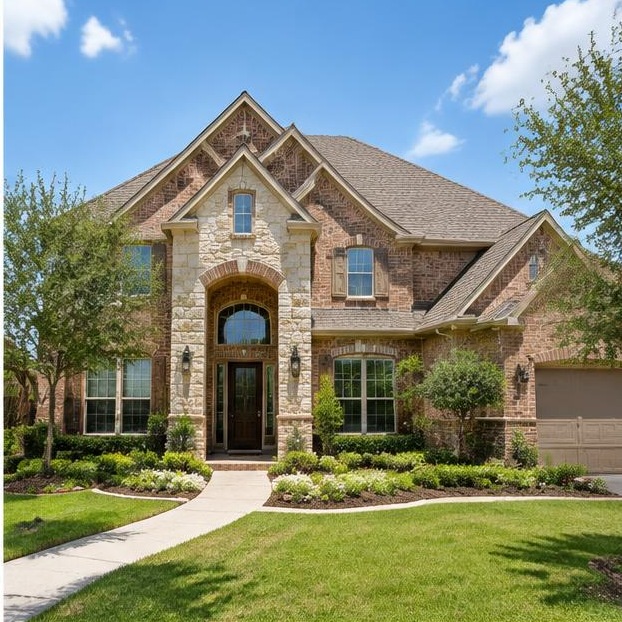
How Much Dwelling Coverage Do I Need for My Texas Home?
If you own a home in the Lone Star State, protecting your hard-earned investment is likely one of your top priorities. But when you look at your homeowners insurance policy, you might wonder about the very first line item: Dwelling Coverage (often called Coverage A).
How do you know if that dollar figure is actually enough to protect your home?
To determine how much dwelling coverage you need in Texas, calculate the total estimated cost to completely rebuild your home from scratch, not its market value. Multiply your home's total square footage by local Texas construction costs per square foot, accounting for regional factors like windstorm compliance and local materials.
At Heritage Texas Insurance Group, we believe that understanding your insurance should be straightforward. Let’s walk through how dwelling coverage works in Texas, how it differs from your home's market value, and how to make sure you have the exact right amount of protection.
Understanding Dwelling Coverage (Coverage A)
Dwelling coverage is the foundation of your homeowners insurance policy. It is designed to pay for the repair or complete reconstruction of your home’s physical structure if it is damaged or destroyed by a covered hazard (such as fire, windstorms, hail, or lightning).
This coverage applies directly to:
- The foundation, framing, and walls of your home.
- The roof, siding, and chimneys.
- Built-in appliances, cabinetry, and flooring.
- Attached structures, such as an attached garage, carport, or porch.
It is important to note that dwelling coverage does not protect your personal belongings (that is Covered under Personal Property) or structures separated from your home by clear space (such as detached sheds or fences, which fall under Other Structures coverage).
Rebuild Cost vs. Market Value: The Great Confusion
One of the most common mistakes Texas homeowners make is confusing their home’s market value (what it would sell for on the open market) with its replacement cost (what it actually costs to rebuild it).
- Market Value: This includes the value of the land your home sits on, the desirability of your school district, local real estate trends, and proximity to major highways.
- Replacement Cost: This is solely the cost of construction materials, labor, debris removal, architectural fees, and permits required to rebuild the exact same house on your existing lot.
In Texas, these two numbers can look radically different. For example, a home in a highly desirable neighborhood in Austin might have a market value of $750,000, but because the land itself accounts for a massive portion of that price, the physical cost to rebuild the house might only be $400,000.
Conversely, a home in a rural Texas town might have a market value of $200,000, but because of high shipping costs for materials and a shortage of local contractors, rebuilding that identical home might cost $300,000. If you insure that rural home for its market value, you would find yourself dangerously underinsured after a total loss.
Factors Driving Rebuilding Costs in Texas
Estimating reconstruction costs in Texas requires looking closely at several localized factors:
1. Construction Styles and Materials
The materials used in your home heavily impact the cost of reconstruction. Brick veneer, stone facades, custom cabinetry, plaster walls, and hardwood flooring cost significantly more to replace than vinyl siding, standard drywall, and laminate flooring.
2. Roof Type and Pitch
Texas is notorious for severe weather, including heavy hail and high winds. Rebuilding a standard asphalt shingle roof is far less expensive than replacing metal seam roofing, Spanish clay tiles, or slate roofing. Additionally, steep or complex rooflines require more labor and safety equipment, driving up costs.
3. Local Labor and Supply Chain Dynamics
When a major regional disaster strikes—such as a hurricane along the Gulf Coast or a severe tornado outbreak in North Texas—the local demand for contractors, lumber, and drywall skyrockets. This is known as "demand surge," and it can temporarily inflate construction costs by 20% to 30% or more.
4. Texas Building Codes and Compliance
If your home is damaged and needs to be rebuilt, it must be constructed to meet current local building codes. In coastal Texas counties (such as Galveston, Brazoria, or Jefferson), homes must meet strict windstorm building codes established by the Texas Department of Insurance (TDI) to qualify for windstorm coverage. Upgrades to meet these modern standards can add tens of thousands of dollars to your rebuild bill.
How to Calculate Your Texas Rebuild Cost
While an insurance professional uses specialized software to run a comprehensive replacement cost calculation, you can estimate your base dwelling coverage needs using this simple formula:
$$\text{Total Heated Square Footage} \times \text{Local Construction Cost Per Square Foot} = \text{Base Rebuild Estimate}$$
Here is a general breakdown of estimated rebuilding costs across Texas, based on construction quality and region:
| Build Quality / Regional Risk | Est. Cost Per Sq. Ft. | Est. Rebuilt Cost (2,000 Sq. Ft. Home) |
|---|---|---|
| Standard Builder Grade (Basic finishes, standard shingles) | $150 - $190 | $300,000 - $380,000 |
| Semi-Custom Finishes (Hardwood, granite, detailed molding) | $190 - $260 | $380,000 - $520,000 |
| Custom / Historical Home (Solid stone, plaster, high-end features) | $260 - $370+ | $520,000 - $740,000+ |
| Coastal Windstorm-Compliant Grade (Specialty framing, impact glass) | Add 15% - 25% | Varies based on base quality |
Note: These are general ranges designed for educational estimation. Actual local market prices fluctuate depending on localized contractor availability and supply chain updates.
Critical Coverages and Endorsements to Consider
Standard policies sometimes fall short during major catastrophes. To protect yourself from unexpected out-of-pocket expenses, consider adding these valuable endorsements to your Texas home policy:
Extended Replacement Cost
This coverage provides a safety cushion above your policy's dwelling limit. If a widespread disaster causes labor and material costs to surge, an Extended Replacement Cost endorsement can provide an additional 10%, 25%, or even 50% of your dwelling limit to cover the unexpected difference.
Ordinance or Law Coverage
As building codes change, older homes become grandfathered in. However, if your home is significantly damaged and must be rebuilt, you must build it to modern codes. Standard policies do not cover the extra cost of upgrading code-compliant electrical, plumbing, or structural systems. Ordinance or Law coverage helps pay for these mandatory upgrades.
Water Backup and Sump Pump Overflow
Standard homeowners insurance generally does not cover damage caused by backed-up sewers or drains. In Texas, where heavy spring rains can overload city sewer systems, adding a water backup endorsement is highly recommended.
The Texas Deductible Difference
In Texas, homeowners insurance deductibles are usually structured differently than in other states. Instead of a flat dollar amount (like a $1,000 deductible), Texas policies often use percentages based on your dwelling coverage limit.
For example, if your dwelling coverage limit is $400,000, and you have a 1% deductible, you will pay $4,000 out of pocket before your insurance coverage steps in.
Furthermore, many Texas policies have separate deductibles for wind and hail damage. Because these deductibles are directly tied to your total dwelling coverage limit, choosing the right limit is not just about having enough rebuilding funds—it also directly impacts what you will pay out of pocket if a storm strikes your property.
Let's Build a Plan Together
At Heritage Texas Insurance Group, we are dedicated to helping you protect what matters most. As an independent agency, we do not work for a single insurance company; we work for you. We can look at your home's unique details, compare options from multiple trusted carriers, and help you find a policy that balances complete protection with your budget.
Reach out to our friendly, expert team today to request a personalized review of your home's replacement cost.
Graphics
- replacement cost vs market value texas
- texas homeowners insurance guide
- dwelling coverage calculator
- home replacement cost texas
- home insurance dwelling coverage
- estimating home rebuilding costs texas