
Homeowners Insurance
Does Homeowners Insurance Cover Mold in Texas?
Ryan Aduddell · October 22, 2026 · 6 min read · #1016
Does Homeowners Insurance Cover Mold in Texas?
If you own a home in Texas, you are no stranger to moisture. From the heavy humidity of the Gulf Coast to sudden, torrential downpours and unexpected winter freezes that burst pipes, water finds a way into our lives. Where water lingers, mold follows.
When mold begins to grow behind your drywall or beneath your floorboards, the clean-up process can be both stressful and expensive. This leads many homeowners to ask: Does homeowners insurance cover mold in Texas?
Generally, mold coverage homeowners insurance texas policies only cover mold if it results directly from a sudden and accidental water escape covered by your policy, such as a burst pipe. Mold from long-term leaks, high humidity, or flooding is typically excluded unless you purchase a specific mold endorsement.
To help you protect your home and your budget, let's look at how mold coverage works in Texas, the rules that govern these claims, and what you can do to ensure you have the right protection.
The "Sudden and Accidental" Rule: The Line in the Sand
Texas homeowners policies are designed to protect you from unexpected, sudden events—what insurance companies call "perils." When it comes to mold, the cause of the moisture is the single most important factor in determining whether your claim will be paid.
When Mold Is Typically Covered
For mold to be covered under a standard Texas homeowners policy, it must be the direct result of a covered water damage event. The water damage must be "sudden and accidental."
- Example of covered mold: A copper pipe inside your wall suddenly bursts while you are at work, flooding your living room. You immediately shut off the water and call a plumber. Despite your best efforts to dry the area, mold develops on the studs behind the drywall a few days later. Because the root cause (the burst pipe) was sudden, accidental, and covered, the cost to clean up the mold is generally covered, subject to your policy's limits.
When Mold Is Excluded
If the mold develops due to ongoing maintenance issues, wear and tear, or gradual neglect, your policy will not cover it. Homeowners are expected to perform regular maintenance to prevent slow, long-term damage.
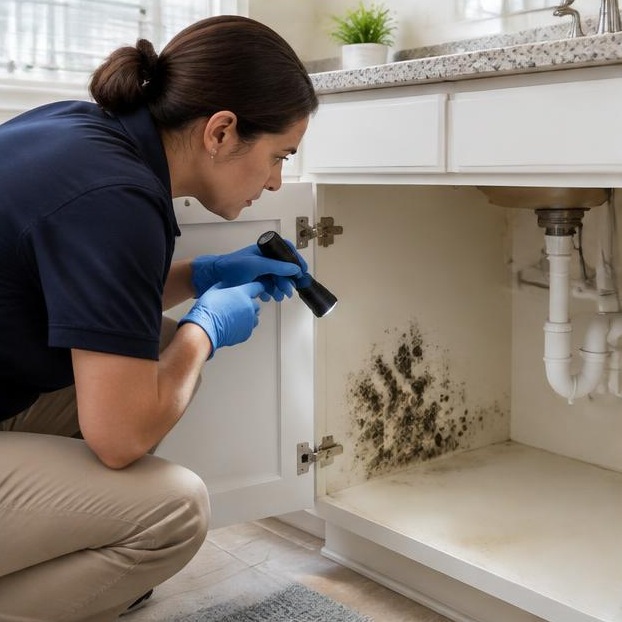
- Example of excluded mold: A slow, dripping leak under your bathroom sink goes unnoticed for two years because the cabinet is packed with toiletries. When you finally clean out the cabinet, you discover rot and extensive mold growth. Because the leak was gradual and went unaddressed, insurance will typically deny the claim.
Texas Policy Forms and Mold Coverage
Not all home insurance policies in Texas are created equal. The type of policy form you have determines how water and mold damage are handled.
HO-A Policies
The HO-A policy is the most basic type of home insurance commonly sold in Texas. It is a "named perils" policy, meaning it only covers very specific events listed in the document. Standard HO-A policies usually exclude water damage from plumbing leaks entirely, which means mold resulting from plumbing leaks is also excluded unless you have specifically purchased a water damage rider.
HO-B and HO-C Policies
An HO-B or HO-C policy is an "all-risk" or "open perils" policy. These policies offer broader coverage, automatically including sudden and accidental water damage unless it is specifically excluded. However, even under these robust policies, mold coverage is often strictly limited. Many modern policies cap standard mold remediation at a low limit, such as $5,000, or exclude it entirely unless you pay for a specific mold endorsement.
| Policy Type | Standard Water Damage Coverage | Standard Mold Coverage | Optional Endorsements Available? |
|---|---|---|---|
| HO-A (Basic) | Typically Excluded | Excluded | Yes (Can add limited water/mold coverage) |
| HO-B (Broad/All-Risk) | Covered (Sudden & Accidental) | Often Limited or Capped (e.g., $5,000) | Yes (Can increase mold limits) |
| HO-C (Comprehensive) | Covered (Sudden & Accidental) | Limited or Capped | Yes (Can increase mold limits) |
The Crucial Texas 10-Day Reporting Rule
In Texas, the timing of your claim matters immensely. Many Texas home insurance policies contain a strict reporting window for water damage. If you do not report the sudden water leak within 10 days of when you first noticed it (or when a reasonable person should have noticed it), any subsequent mold damage may be completely excluded from coverage.
This rule exists because mold can begin to grow within 24 to 48 hours in warm, damp environments. By requiring prompt reporting, insurance companies aim to mitigate the damage before it escalates into a major mold remediation project.
If you experience a water leak, do not wait to see if mold develops. Report the plumbing or appliance failure immediately to protect your right to a claim later on.
Major Exclusions: Flood-Related Mold and Texas Humidity
There are two common scenarios where homeowners assume mold will be covered, but it almost never is under a standard policy:
1. Flooding and Storm Surges
Whether you live along the Gulf Coast or in a flood-prone valley inland, standard homeowners insurance does not cover flood damage. If a hurricane or heavy storm causes rising waters to enter your home, resulting in extensive mold, your home insurance policy will not pay for the cleanup. To cover flood-related mold, you must carry a separate flood insurance policy through the National Flood Insurance Program (NFIP) or a private flood insurer.
2. High Indoor Humidity and Condensation
Texas summers are notoriously hot and humid. If your air conditioning system is old, improperly sized, or left turned off while you are away, moisture can accumulate inside your home, leading to mold on walls, ceilings, and furniture. Insurance companies view humidity control as a basic home maintenance responsibility, so mold caused by high humidity or poor ventilation is not covered.
Enhancing Your Protection: Mold Endorsements
Because standard policies offer limited or zero mold coverage, many Texas homeowners choose to purchase a mold coverage endorsement. This is an add-on to your policy that increases your financial protection.
These endorsements allow you to choose higher limits for mold remediation—typically ranging from $10,000 to $50,000, or a set percentage of your total dwelling coverage (such as 10%).
A mold endorsement generally covers:
- The cost of testing the air and surfaces for mold spores.
- Professional mold remediation and removal services.
- The cost of repairing or replacing damaged structural materials (like drywall and studs) and personal property affected by the covered mold.
Adding an endorsement is often highly affordable and provides peace of mind, especially if your home has older plumbing or is located in a high-humidity region.
How to Handle a Mold Issue in Your Texas Home
If you suspect you have mold in your home, acting quickly and methodically is key to protecting both your health and your insurance claim:
- Stop the Source: If the moisture is coming from an active plumbing leak, turn off your main water valve immediately.
- Document Everything: Take clear photos and videos of the water leak, the standing water, and any visible mold. Keep damaged parts (like a broken pipe or appliance hose) as evidence.
- Prevent Further Damage: Dry out the area as quickly as possible using fans and dehumidifiers, but do not discard damaged materials until an adjuster has inspected them.
- Contact Your Agent: Reach out to your independent insurance agent to discuss whether the root cause is covered and to file a claim promptly.
At Heritage Texas Insurance Group, we are here to help you navigate these complex situations. As an independent agency, we can look at your unique Texas home, review your current coverage, and help you find a policy that includes the right level of water and mold protection for your family. Contact us today to request a comprehensive review of your homeowners policy.
Graphics
- texas mold insurance claims
- mold remediation coverage
- sudden and accidental water damage texas
- ho-b policy mold coverage
- texas department of insurance mold rules
- water leak mold coverage